State Bank of India, has issued a warning to all of its customers


India's largest bank, the State Bank of India, has issued a warning to all of its customers about the potential risk of charging your phones at public charging stations. According to the bank's notice, hackers could steal all your money by infecting phones kept on charge at free mobile charging stations.
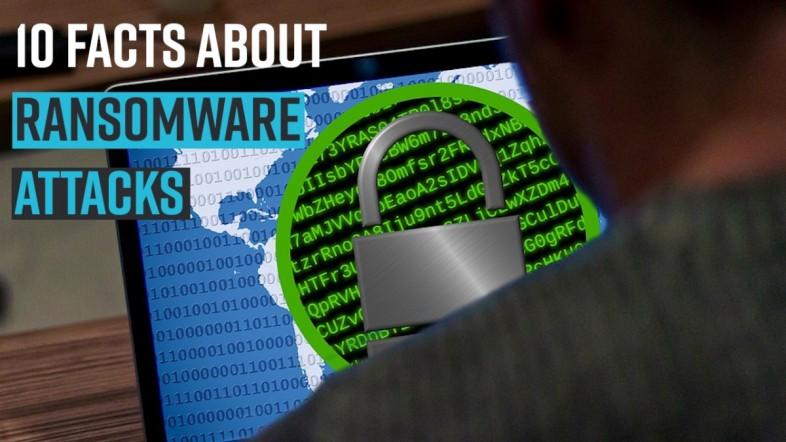
With the increasing use of mobile banking and smartphone use, hackers are finding new ways to steal from unsuspecting users. While free mobile charging stations are a common sight in public places like airports, shopping malls, restaurants, etc, hackers are using a new technique to infect smartphones via these charging stations with malware.
Once infected, hackers can get hold of highly confidential information such as your banking usernames and password. With this, they can easily drain your bank accounts empty. This particular trick is not uncommon and it is called Juice Jacking.
How does Juice Jacking work?
When the smartphone or laptop shows the low battery sign, it is our first instinct to find a charging point. With the easily available free charging stations in public places, which are installed by brands for promotion, we head straight to one without thinking twice. But it looks like running out of juice could be better than charging at one of these free stations.
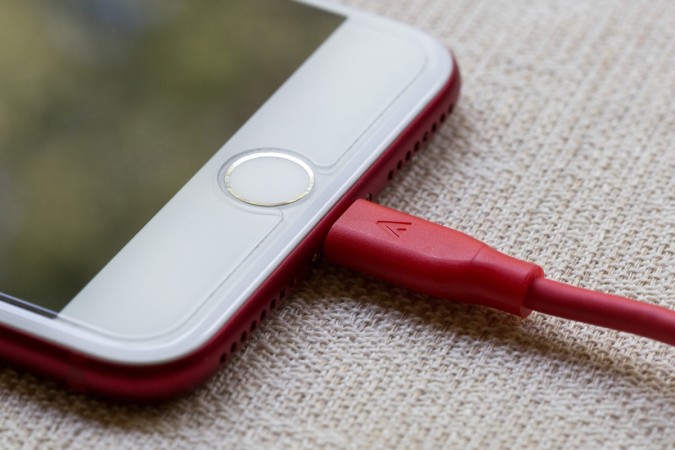
SBI warns customers of Juice Jacking

SBI warns customers of Juice JackingPixabay

Hackers modify the ports at these charging stations with sophisticated USB port-like gadgets, which don't seem out of the ordinary for most. As soon as the user plugs in the phone to one of these malicious ports, the device will bypass the phone's security to steal contents of the phone, including banking credentials, emails, messages, photos and private videos, by injecting a malware.

Think twice before you plug in your phone at charging stations. Malware could find a way in and infect your phone, giving hackers a way to steal your passwords and export your data.

259 people are talking about this
Juice Jacking isn't new as the trick is popular among hackers and widely in use. In 2012, the NSA had warned people to avoid using a public kiosk for charging their gadgets and a weeks ago, the California Los Angeles County District Attorney department also alerted people to avoid charging gadgets at public stations. SBI is the latest one to issue a warning in this regard, but it is not limited to SBI customers as anyone who does mobile banking is at high risk from this type of attack.
How to protect yourself from Juice Jacking?
According to SBI, there are four main tips that can help you identify Juice Jacking to keep you from falling victim to hacker's trick.
State Bank of India KFA vijay Mallya

SBI issues warning to customersReuters file

  • Users should always check for an electrical socket behind the charging station
  • Users must always charge directly from an electrical outlet
  • Users must carry their own charging cables
  • Users must buy portable batteries from known vendors
While it is a good practice to charge your phones to full if you think it might run out of juice mid-way, users can also carry their personal power bank to make sure there's no need to look for a charging point. Mobile banking or online banking customers must change their passwords regularly, avoid banking using public computers, check for last log in date and time, register your phone number to receive alerts in case of any activities and go through bank statements for suspicious transactions

Thanks and 
Source 

https://www.ibtimes.co.in/sbi-customers-could-lose-all-their-money-just-by-doing-this-bank-issues-warning-810308


Tha


வருமான வரித்துறை எச்சரிக்கை பான் - ஆதார் இணைக்க கெடு 31ம் தேதி முடிகிறது
பான் மற்றும் ஆதார் எண்ணை இணைக்க கெடு, இந்த மாதம் 31ம் தேதியுடன் முடிவடைகிறது. பான் எண்ணுடன் ஆதார் எண் இணைப்பது கட்டாயம் ஆக்கப்பட்டுள்ளது. பான் - ஆதார் இணைப்பு கட்டாயம் என, கடந்த ஆண்டு உச்ச நீதிமன்றம் தனது தீர்ப்பில் உறுதிப்படுத்தியது. எனவே, வருமான வரி கணக்கு தாக்கல் செய்பவர்கள், தங்களது பான் எண்ணை ஆதாருடன் கண்டிப்பாக இணைத்திருக்க வேண்டும்.


இதுபோல், புதிய பான் எண் விண்ணப்பிக்க ஆதார் எண் சமர்ப்பிக்க வேண்டியது கட்டாயம். இந்த உத்தரவால் போலியான பான் எண்கள் ஒழிக்கப்பட்டன. இந்த இணைப்புக்கான கால அவகாசம் பல முறை நீட்டிக்கப்பட்டு வந்தது. இதற்கு முன்பு செப்டம்பர் 30ம் தேதி கடைசி தேதி என இருந்தது. பின்னர் இந்த மாதம் 31ம் தேதி வரை அவகாசம் நீட்டிக்கப்பட்டது. அதோடு, இதுவே இறுதி கெடு என மத்திய நேரடி வரிகள் ஆணைய வட்டாரங்கள் தெரிவித்துள்ளன.


இதன்படி கெடு தேதி முடிய இன்னும் 2 வாரங்களே உள்ளன. இதை நினைவூட்டும் வகையில், வரி செலுத்துவோருக்கு வருமான வரித்துறை தகவல் அனுப்பியுள்ளது. அதில், ‘வருமான வரி பலன்களை எளிதாக பெற இந்த ஆண்டு டிசம்பர் 31ம் தேதிக்குள் பான் எண்ணையும் ஆதார் எண்ணையும் இணைக்க வேண்டும்’ என கேட்டுக் கொண்டுள்ளது. இதுவரை இணைக்காதவர்கள் வருமான வரி இணையதளத்துக்கு சென்று அதில் லிங்க் ஆதார் என்ற இணைப்பை கிளிக் செய்ய வேண்டும். அதில் பான் எண், ஆதார் எண், ஆதாரில் உள்ளபடி பெயர் விவரம், பிறந்த தேதி ஆகியவற்றை உள்ளீடு செய்து எளிதாக இணைக்கலாம்


Join/ merge below link 🔗


Employees Provident Fund (EPF) subscriber? Don't forget to complete KYC


  • It is in your interest to update your KYC details in the Employees' Provident Fund Organisation (EPFO) portal
  • Here is how to update your KYC for your EPF account online


: Just like you need to give KYC (Know Your Customer) documents to open a bank account or to invest in mutual funds and shares, you also need to fulfill the KYC criteria for your employees provident fund (EPF) account. The Employees' Bank Provident Fund Organisation (EPFO) allows you to complete the KYC process online. It uses digitally verified services like Aadhaar and PAN (Permanent Account Number) for e-KYC verification.
How to update EPFO KYC online
Step 1: Go to EPFO portal and enter your login credentials -- UAN and password.
Step 2: Under "Manage" section, click on KYC from the drop-down menu.
Step 3: Update KYC details form by giving the document number (bank account, PAN, Aadhaar, etc) and name as per document, click on "Save" and data will get saved in "Pending KYC" section.
Step 4: Once the details matches, "Verified" is marked for the document.
Step 5: You need to submit document proof to your employer.
The EPFO considers the following documents for KYC:
Bank account
PAN card
Aadhaar card
Passport
Driving license
Voter ID card
Ration card
National Population Register
Once the entire process of KYC verification is complete, you will be able to see it on the KYC section of EPFO's UAN portal.
The EPFO portal also allows you to update or change your KYC details on the UAN EPFO portal by uploading necessary documents online. Online request for correction in name, date of birth and gender has been introduced.
Those who have completed their KYC requirements are allowed to submit a provident fund withdrawal claim online without attestation of the employer. To make any claim online, it is mandatory to link your Aadhaar card with UAN. If both your Aadhaar card and bank account are approved by the employer using the digital signature certificate then you can make a claim without the attestation of the employer.

How a Tournament Works, Part 3 - Direct Eliminations - SWORDS FENCING STUDIO ...